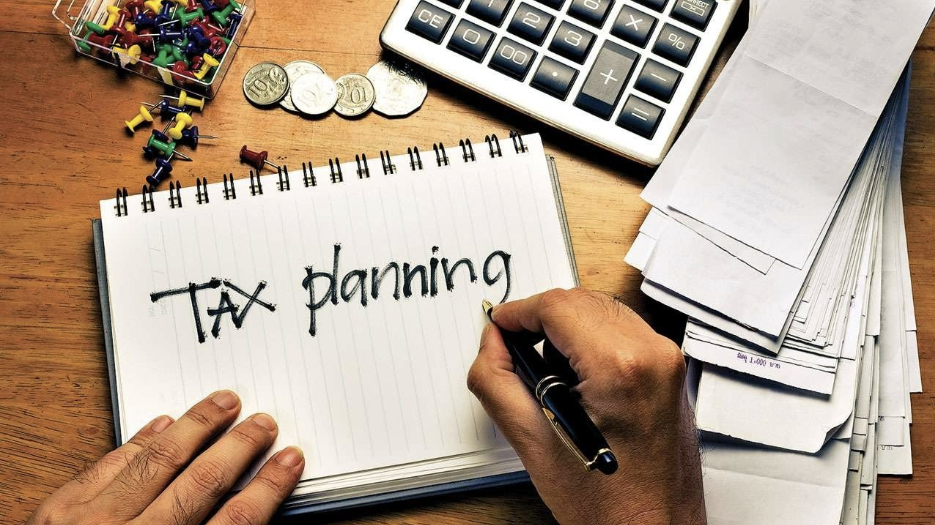
Too many business owners have the same tax experience every year. Tax Planning can make a significant difference in how you approach each tax season.
They meet with their CPA once, usually after year-end. The return gets prepared, numbers are explained quickly, an IRS bill appears, and then another bill arrives for the tax preparation itself. With effective planning centered on taxes, business owners see better outcomes.
That is not tax strategy. In fact, without proper planning around taxes, the benefits of smart financial choices are missed.
That is historical reporting. As such, strategies for planning your taxes should be applied proactively, not retroactively.
If your only meeting with your CPA happens when last year is already over, most of the meaningful planning opportunities are already gone. By the time a return is prepared, the majority of decisions that affected your tax outcome have already happened. Proactive Tax Planning ensures you don’t miss out on valuable opportunities.
For growing business owners, tax planning should be proactive, coordinated, and ongoing.
A Great CPA Should Be in the Tax Planning Conversation Quarterly
Tax strategy works best when it happens throughout the year, not after the year is closed. It is through quarterly Tax Planning that business owners can stay ahead.
Quarterly meetings create space to review current profitability, estimated taxes, owner compensation, entity structure, large purchases, retirement opportunities, cash reserves, and changing business goals. This is where Tax Planning makes business sense.
Instead of reacting to a surprise tax bill in April, owners can make informed decisions in real time. With timely planning, the tax outcome can be controlled.
Quarterly planning also allows course correction. If revenue jumps unexpectedly, margins compress, or major expenses arise, strategy can adjust before year-end. Tax Planning throughout the year helps maximize opportunity.
Your CPA and CFO Should Be Working Together
Many businesses keep accounting, tax, and strategy in separate silos. To optimize outcomes, planning for taxes must be integrated with business goals.
The bookkeeper closes the books. The CPA files the return. The owner tries to connect the dots alone. Strategic Tax Planning is often overlooked in this process.
That creates missed opportunities. Without thoughtful planning for taxes, important business moves may be delayed.
Your CFO should be translating financial performance, forecasting future results, and helping guide operational decisions. Your CPA should be applying tax expertise to those numbers. When they work together, planning becomes far more effective. Tax Planning increases the value of these collaborations.
The CFO may identify strong profitability and expected growth. The CPA can then model estimated taxes and timing strategies. The CFO may forecast a cash-heavy quarter. The CPA can advise whether certain moves should happen before year-end. Together, they help ownership make decisions with both profitability and taxes in mind. With coordinated Tax Planning, business owners maximize results.
Aggressive Tax Strategy Can Create Other Problems
Many owners are told to “pay no tax” as if that is always the goal. However, Tax Planning requires real balance.
Minimizing taxes matters, but aggressive write-off strategies can come with tradeoffs. Smart Tax Planning weighs the risks and rewards.
When taxable income is driven too low year after year, personal borrowing power can suffer. Mortgage lenders, personal loan underwriters, and banks often review tax returns and reported income when evaluating applications. Tax Planning also impacts eligibility for credit.
An owner may have strong cash flow and valuable assets, but if their returns show minimal income because every possible deduction was used, qualifying for financing can become harder. Strategic planning for taxes helps business owners manage their finances wisely.
The same issue can impact future business lending, investor perception, or valuation discussions. In these cases, the outcomes from Tax Planning matter greatly.
Sometimes saving taxes today can limit opportunities tomorrow. Therefore, thoughtful Tax Planning considers both short-term and long-term effects.
Smart Strategy Balances Taxes and Long-Term Goals
Good tax planning is not about paying the most tax or the least tax. It is about paying the right tax while supporting broader goals. With smart Tax Planning, financial objectives are aligned.
Those goals may include buying a home, qualifying for financing, building business value, bringing in partners, preparing for a sale, or preserving cash for growth. Clear planning for taxes supports these milestones.
Some years it may make sense to maximize deductions. Other years it may make sense to show stronger income. Context matters. Strategic Tax Planning allows flexibility from year to year.
That is why strategy should be personalized, not generic. Tax Planning tailored to your situation delivers better results.
What Business Owners Should Expect in Tax Planning
A high-functioning tax relationship often includes quarterly planning meetings, coordination with your CFO or internal finance lead, proactive estimated tax reviews, entity and compensation discussions, scenario planning before year-end, and clear communication about tradeoffs. Real Tax Planning features all of these elements.
You should understand not only what happened, but what options exist next. Smart planning for taxes empowers your future choices.
Final Thought
Your CPA should be more than the person who tells you what you owe after the fact. Tax Planning should be part of your decision-making process.
They should be part of a planning team helping you make smarter decisions throughout the year. Comprehensive planning for taxes is essential for business growth.
If your current tax process feels like one annual meeting, one IRS bill, and one invoice to your accountant, you may have outgrown your current system. With strategic Tax Planning, your tax process evolves.
Ready to outgrow reactive taxes and build real financial strategy? Outgrow Accounting partners with business owners and CPAs to create clean books, proactive planning, and smarter year-round decisions. Tax Planning underpins every financial move you make.

Leave a Reply